
Supply chain teams spend much of their day reading: supplier emails, shipping notices, contracts, quality reports and exception alerts. The information they need is there, but it is scattered and slow to digest. Generative AI changes that.
From information overload to answers
Language models can read and summarize documents, extract key data, and answer questions such as which orders are at risk this week and why. Combined with ERP and logistics data, they give planners a single, plain-language view of what needs attention.
Practical use cases
- Supplier communication assistants that draft follow-ups and track commitments.
- Contract and specification search across thousands of documents.
- Exception summaries that explain delays and suggest options.
- Procurement copilots that compare quotes and highlight risks.
- Automated reading of delivery notes, invoices and customs papers.
Getting the foundations right
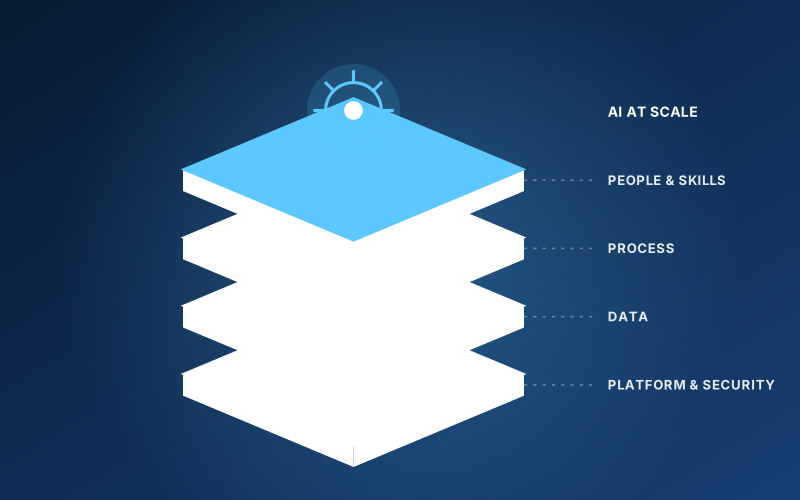
Generative AI is only as good as the data and processes around it. Clean master data, connected systems and clear rules for when people must review outputs are essential. Start with one painful process, prove the value and expand from there.
The next frontier
As AI agents mature, they will move from advising planners to completing routine tasks themselves, such as rebooking shipments or reallocating stock within agreed limits. Companies that build trustworthy foundations now will be ready to use them safely.