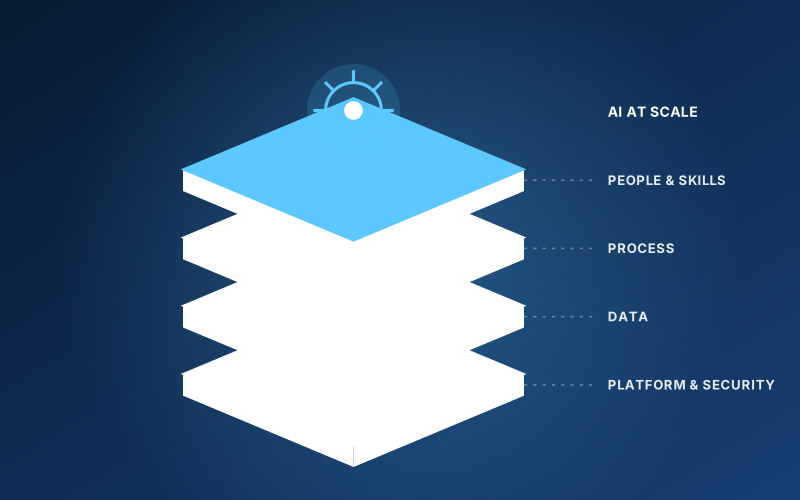

Generative AI tools are easy to switch on and hard to use well. Organizations that roll out copilots and assistants often see an early burst of enthusiasm followed by uneven adoption. The difference between teams that thrive and teams that drift is almost always human.
Why adoption stalls
- People are unsure what they are allowed to do with AI and what data they can share.
- Managers do not change expectations, so AI becomes extra work rather than a better way of working.
- Training focuses on features instead of real tasks.
- Early mistakes damage trust and nobody explains how to check outputs.
What successful organizations do
They publish clear, simple guidelines. They train people on their own daily tasks, such as drafting a tender response or summarizing a site report. They recruit champions in every team, share examples of good use and measure time saved. And leaders use the tools visibly themselves.
Redesign roles, not just tasks
As AI takes on routine drafting and searching, roles shift towards judgement, relationships and review. Planning these changes openly, with new skills and career paths, turns anxiety into motivation.
Measure what matters
Track adoption, quality and business outcomes together. A tool used by everyone but improving nothing is not a success, and neither is an accurate tool nobody uses.